How Can Commercial Buildings Transform Your Investment Portfolio? Details to Know!
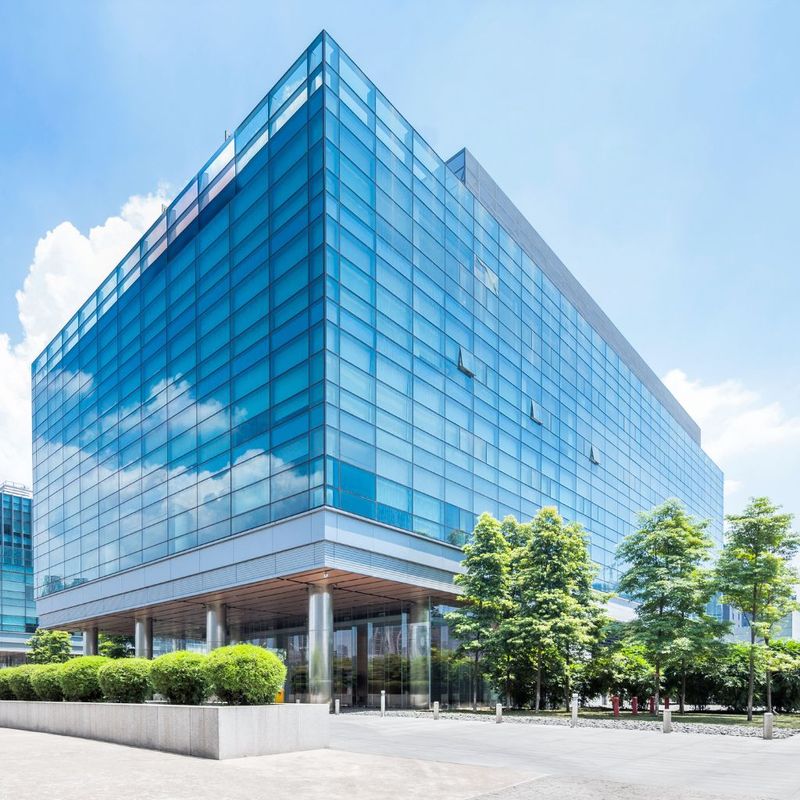
When it comes to real estate, commercial buildings stand out as a vital sector. These structures serve various purposes, from offices to retail spaces. It plays a crucial role in the economy. But what goes into a successful commercial building? Here, we will explore the various facets of commercial buildings, and address common questions. Highlight important trends, and provide valuable insights to help you navigate this dynamic field.
What Are Commercial Buildings?
Commercial buildings are properties used primarily for business purposes. They include offices, shopping malls, warehouses, and manufacturing facilities. According to the National Association of Realtors, the commercial real estate market has seen significant growth over the past few years. With commercial transactions exceeding $500 billion annually in the U.S. alone.
Types of Commercial Buildings
- Office Buildings: These structures are designed for professional services. Range from skyscrapers in downtown areas to small office spaces in suburban locations.
- Retail Spaces: These include stores, shopping centers, and malls. They are crucial for providing goods and services directly to consumers.
- Industrial Buildings: This category includes warehouses, factories, and distribution centers. They are essential for manufacturing and supply chain operations.
- Mixed-Use Developments: These buildings combine residential, commercial, and sometimes industrial spaces. Promoting a vibrant community lifestyle.
Benefits of Commercial Buildings
Steady Income Generation:
Rental Income: One of the primary benefits of owning commercial buildings is the potential for steady cash flow. Unlike residential properties, commercial leases are often longer-term. Ranging from 3 to 10 years, providing predictable income.
Higher Returns on Investment:
ROI Potential: Commercial properties typically offer higher returns compared to residential properties. Investors can expect yields of 6% to 12%, depending on market conditions and property types.
Appreciation Potential:
Property Value Increase: Over time, commercial buildings can appreciate significantly. Factors including location, market demand, and property improvements contribute to long-term value increases.
Tax Benefits:
Deductions and Depreciation: Owners of commercial buildings can benefit from various tax deductions. Including property depreciation, maintenance expenses, and mortgage interest. This can lead to substantial tax savings.
Diversification of Investment Portfolio:
Risk Management: Adding commercial buildings to an investment portfolio helps diversify risk. Real estate often behaves differently than stocks and bonds. Providing a hedge against market volatility.
Control Over Property:
Management Flexibility: Investors have more control over commercial properties. Allowing them to make decisions regarding property management, renovations, and tenant selection. Which can directly influence profitability.
Increased Asset Value Through Improvements:
Value-Add Opportunities: Investors can enhance the value of commercial buildings. Through renovations and improvements. Upgrading facilities or enhancing energy efficiency can attract high-quality tenants and increase rents.
Long-Term Appreciation:
Market Stability: Commercial properties in prime locations often appreciate steadily over time. Providing long-term financial security for investors.
Community Development:
Economic Contribution: Commercial buildings often play a pivotal role in community development. They create jobs, offer services, and stimulate local economies, fostering growth and sustainability.
Professional Relationships:
Networking Opportunities: Owning commercial buildings can facilitate relationships with other businesses. Professional and community leaders, enhancing networking opportunities. That can lead to further business ventures.
Why Are Commercial Buildings Important?
Commercial buildings are the backbone of the economy. They provide jobs, services, and goods to consumers. Moreover, they generate significant tax revenues for local governments. Helping to fund public services like education and infrastructure.
Frequently Asked Questions About Commercial Buildings
- What are the key factors to consider when investing in commercial buildings?
- When investing in commercial buildings, consider location, market demand, and property condition. Potential return on investment. A prime location can attract high-quality tenants and yield better returns.
- How do I determine the value of a commercial building?
- The value is typically assessed through methods. Like the income approach, cost approach, and sales comparison approach. It's crucial to engage a professional appraiser for an accurate valuation.
- What financing options are available for commercial buildings?
- Financing options include traditional bank loans, SBA loans, and private equity. Each option has its requirements and terms. It’s essential to explore what works best for your investment goals.
- How can I increase the value of my commercial building?
- You can enhance value through renovations, improving energy efficiency, and increasing tenant retention rates. Even small updates, like fresh paint or landscaping, can significantly impact your property’s appeal.
- What are the common challenges in managing commercial buildings?
- Challenges include maintaining occupancy rates, handling tenant disputes, and adhering to regulatory requirements. Having a strong management team can help mitigate these issues.
The Future of Commercial Buildings
The landscape of commercial buildings is changing. Trends such as sustainability and technology integration are shaping the future. According to a report by McKinsey, investing in sustainable buildings can lead to a 30%. Reduction in operational costs over time.
Sustainability and Eco-Friendly Designs
More developers are focusing on sustainable practices. Green buildings use materials and technologies that reduce environmental impact. According to the U.S. Green Building Council, green commercial buildings can lower energy use by 25% or more. This is not just a trend; it’s becoming a requirement in many markets.
Technology Integration
Smart buildings equipped with advanced technologies offer enhanced comfort and efficiency. Features like automated lighting and heating systems can optimize energy use. Ultimately lowering operational costs. The rise of the Internet of Things (IoT) is set to revolutionize how we manage commercial buildings.
Key Statistics on Commercial Buildings
- Growth Rate: The global commercial real estate market is projected to reach over $20 trillion by 2025.
- Occupancy Rates: The average occupancy rate for office buildings is around 87% in major U.S. cities.
- Investment Returns: Commercial properties often yield returns of 6% to 12%. Depending on the type and location.
Understanding commercial buildings is essential for anyone looking to invest in or manage these properties. From knowing the different types to being aware of the latest trends. This knowledge will empower you to make informed decisions. With the market evolving towards sustainability and technology. Now is the perfect time to explore the opportunities in this vibrant sector.


Comments
Post a Comment